
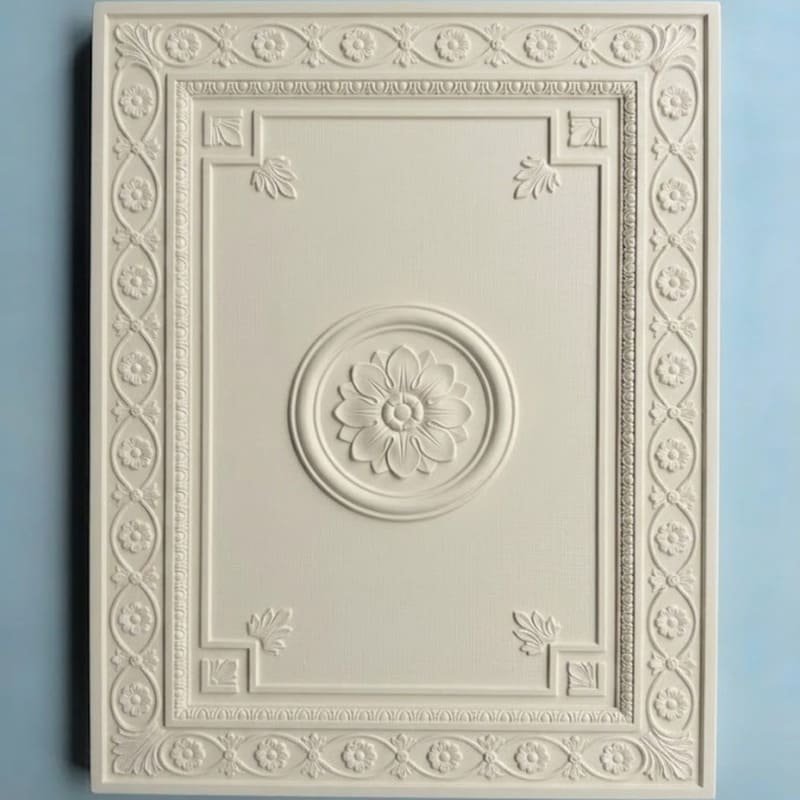
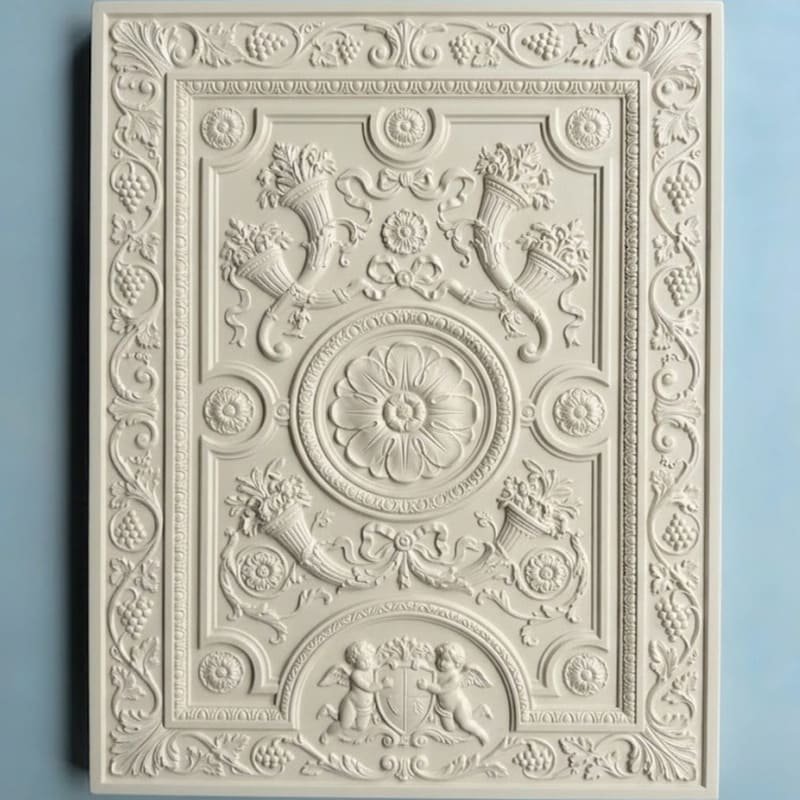
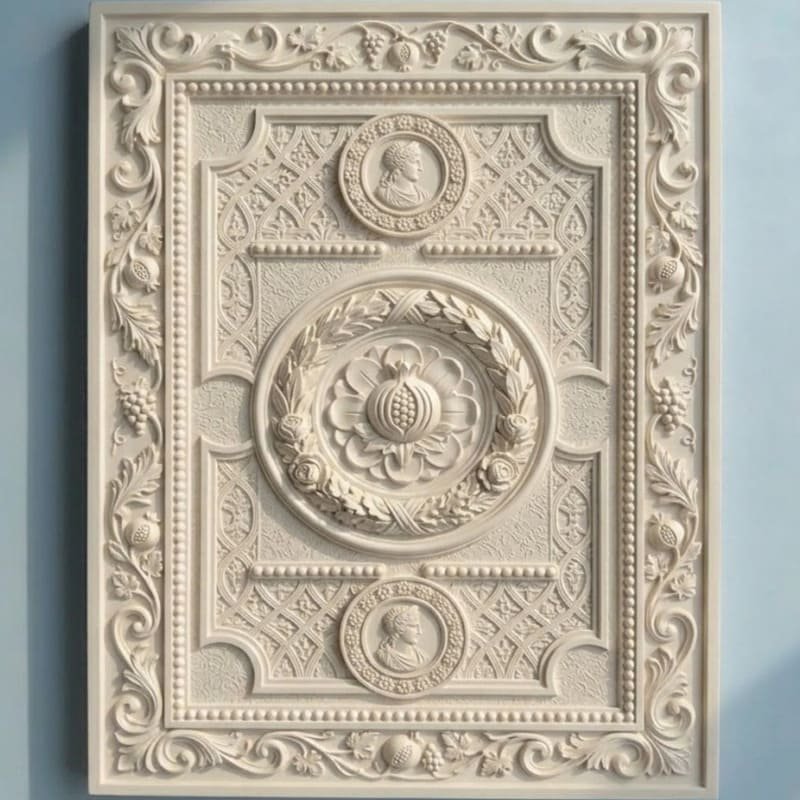
Strong decorative effect with rich patterns. Suitable for Chinese, European, vintage or artistic decorative styles.
MDF, solid wood, plywood, wood veneer panel
Paint finish / opaque paint effect, clear finish on solid wood, wood veneer + PU finish, distressed finish
Chinese lattice panels, European style door panels, background walls, display cabinets, hotel decorative woodwork, commercial spaces and special custom furniture projects.
Large-area modern minimalist cabinet doors, high-oil areas, projects requiring fast delivery, or high-use positions that are difficult to clean and maintain.
Can create complex decorative patterns and custom designs, with high spatial recognition. Suitable for projects that require strong decorative impact.
Longer processing time, complex sanding, easier dust accumulation and higher cost. Patterns that are too thin or too deep may increase the risk of breakage, deformation and maintenance difficulty.
Carving depth, pattern proportion, detail sanding and paint build-up should be carefully controlled. For batch projects, sample effect, carving depth, substrate density, paint finish and cleaning maintenance requirements should be confirmed in advance to avoid pattern breakage or later maintenance problems.
Share your drawings, dimensions, reference images, or project requirements. Our team can help suggest suitable material options before production.