
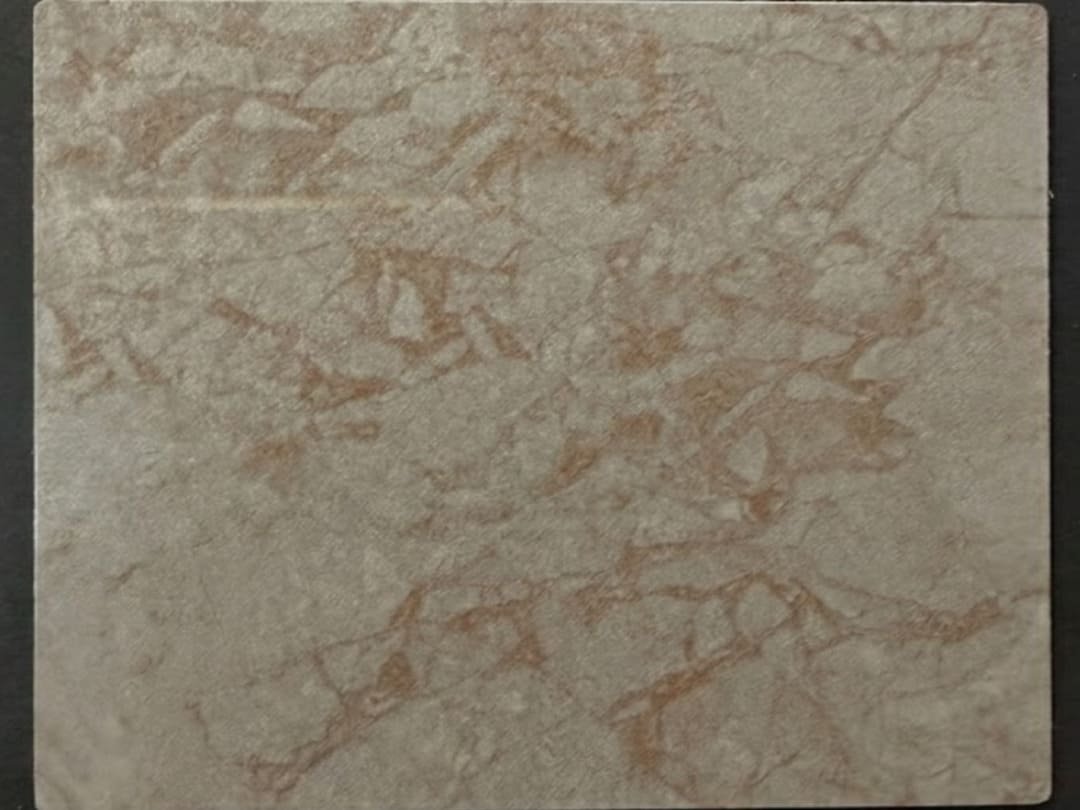
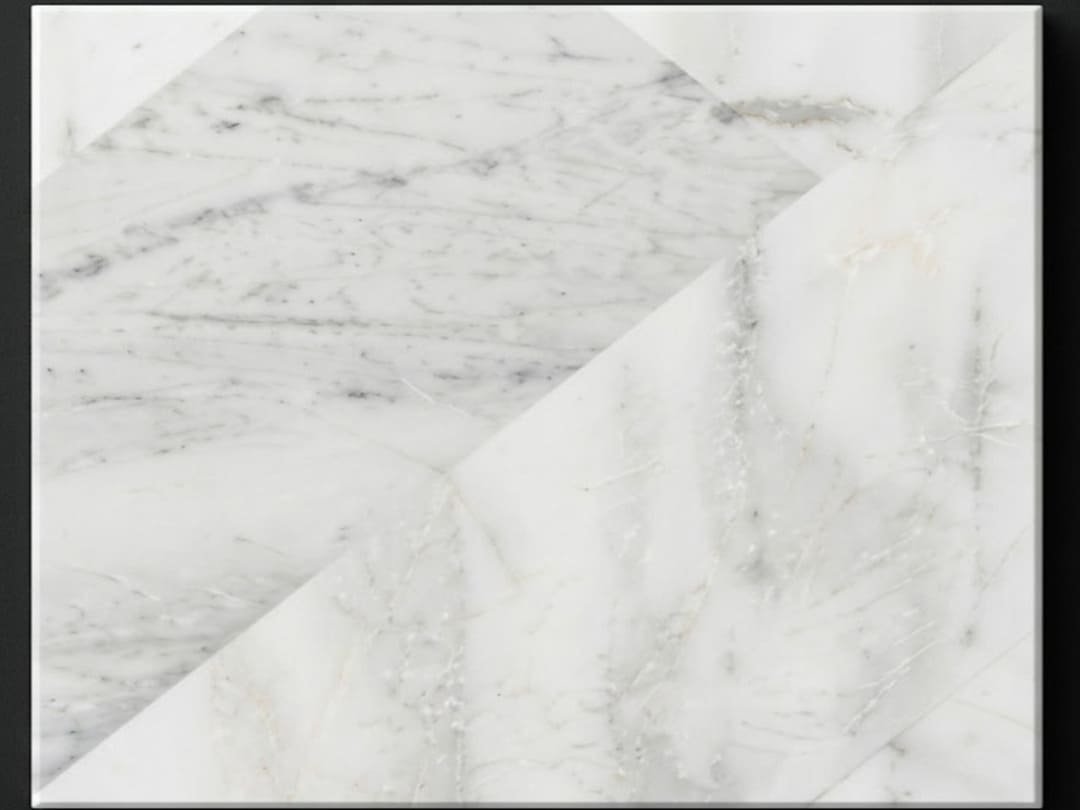
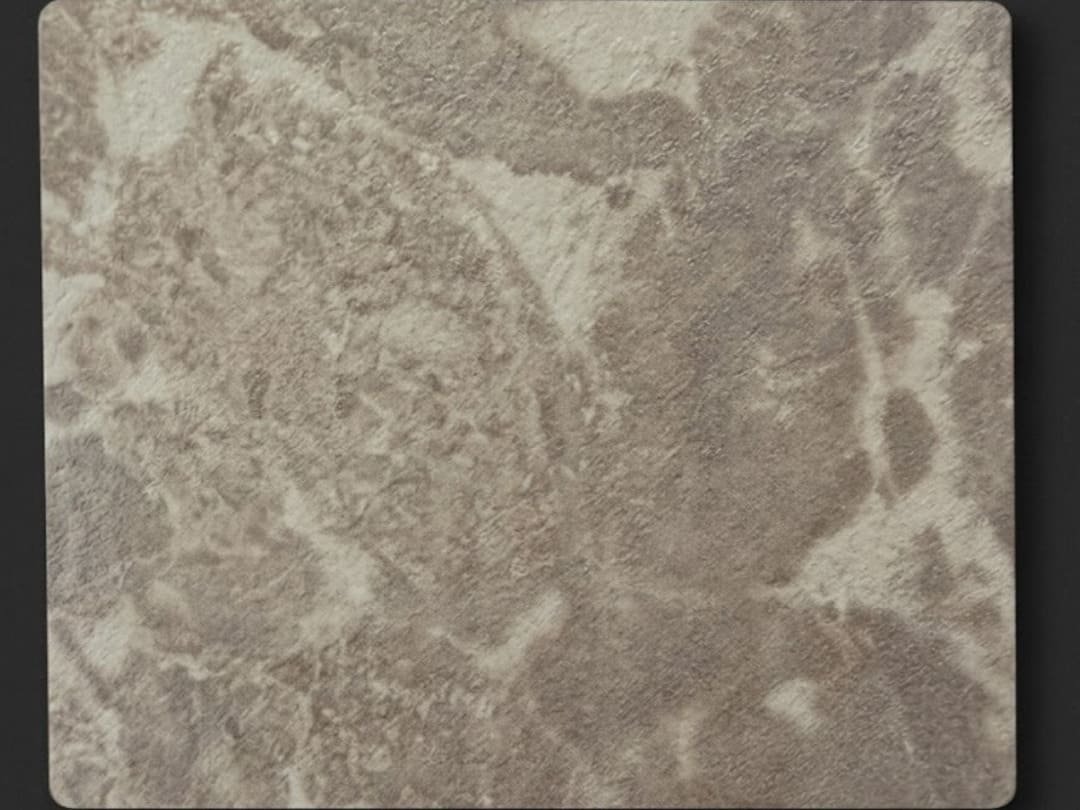
Available in solid color, wood grain, stone pattern, metallic effect and other surface styles. The overall appearance is more durable and project-oriented, and the final effect depends on brand, texture, gloss level and product series.
Plywood, particle board, MDF. Plywood is more suitable for projects that require better structural strength and edge stability.
Flat panels, countertop panels, cabinet panels and simple straight-line structures. Not suitable for complex deep carving, deep grooving or large curved surface wrapping.
Commercial cabinetry, hotel furniture, office furniture, public area furniture, laboratory furniture, restaurant furniture, bank furniture, school furniture, medical space furniture, display cabinets and high-use project furniture.
Complex shaped door panels, low-budget projects, projects that require a soft natural wood veneer texture, or applications that require seamless curves, deep profiles or extensive on-site secondary processing.
Good wear resistance, heat resistance and impact resistance. Easy to clean and suitable for long-term use in commercial and public spaces.
Higher cost than standard melamine finish. Complex shapes are limited, and edge finishing requires careful handling. Bonding quality, edge sealing details and panel thickness directly affect the final appearance and service life.
Check HPL brand, thickness, surface texture, wear-resistance grade, bonding quality, edge sealing method and edge finishing solution. For high-use areas, pay special attention to whether the edges may lift, whether joints are exposed, and whether door or countertop edges can meet long-term use requirements.
Share your drawings, dimensions, reference images, or project requirements. Our team can help suggest suitable material options before production.